Camping doesn’t have to end when the temperatures drop. In fact, fall and winter camping can be some of the most peaceful times to enjoy the outdoors. There are fewer crowds, beautiful seasonal views, and plenty of opportunities to enjoy nature.
But cold-weather camping requires more preparation than a typical summer camping trip. When you don’t have electricity at your campsite, you can’t rely on electric blankets, space heaters, or other powered equipment to keep you comfortable.
The good news is that you can stay warm camping without electricity by choosing the right gear, insulating yourself from the cold ground, and making a few simple changes to your camping routine.
Whether you’re planning a late-fall camping trip or preparing for your first winter camping adventure, these tips will help you stay warmer and more comfortable when the temperatures fall.
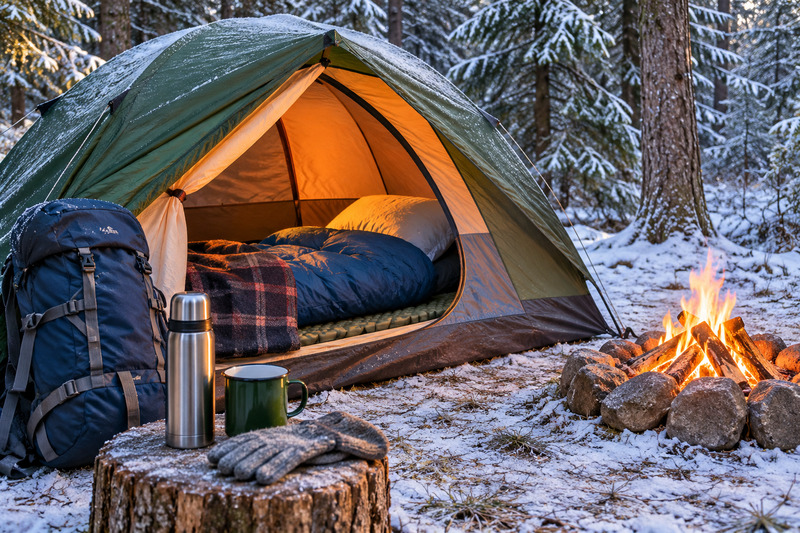
How Do You Stay Warm Camping Without Electricity?
The best way to stay warm camping without electricity is to combine several methods that help your body retain heat.
Start with a properly rated sleeping bag, an insulated sleeping pad, dry clothing layers, and a tent that provides protection from wind and precipitation.
It’s also important to eat enough food, stay hydrated, and avoid getting sweaty or wet before bedtime.
Rather than relying on a single piece of equipment, think of your camping setup as a complete system designed to protect you from the cold.
1. Choose the Right Cold-Weather Sleeping Bag
Your sleeping bag is one of the most important pieces of equipment you’ll bring on a cold-weather camping trip.
A lightweight summer sleeping bag probably won’t provide enough insulation when nighttime temperatures approach freezing.
Look for a sleeping bag with a temperature rating appropriate for the conditions you expect.
Pay attention to comfort ratings rather than relying only on the lowest temperature printed on the bag. A sleeping bag’s lower-limit rating doesn’t necessarily mean you’ll sleep comfortably at that temperature.
For colder trips, choose a bag with a comfort rating below the lowest temperature you expect to encounter, allowing a reasonable safety margin.
Other features worth considering include:
- A mummy-style design that reduces empty space around your body
- An insulated hood that helps retain warmth
- A draft collar around the neck
- A draft tube along the zipper
- Insulation that performs well in your expected conditions
Synthetic insulation is often a practical choice for damp camping conditions because it generally retains more insulating ability when wet than untreated down.
Down sleeping bags can offer excellent warmth for their weight, but they need protection from moisture.
Affiliate opportunity: Link to a selection of cold-weather sleeping bags with clearly stated comfort ratings.
2. Insulate Yourself From the Cold Ground
One of the biggest mistakes people make when camping in cold weather is concentrating on their sleeping bag while forgetting about the ground underneath them.
Even an expensive sleeping bag won’t keep you comfortable if you’re losing heat to the cold ground.
When you lie on your sleeping bag, your body compresses the insulation underneath you. That compressed insulation provides much less protection from the cold.
This is why an insulated sleeping pad is essential.
What R-Value Should a Sleeping Pad Have?
Sleeping pads are rated using an R-value, which measures resistance to heat flow.
The higher the R-value, the better the pad insulates you from the ground.
As a general guide:
- R-value 1–2: Best suited to warm-weather camping
- R-value 2–4: Often suitable for mild to cool conditions
- R-value 4–5: A useful starting point for many colder camping trips
- R-value 5 or higher: Often preferred for freezing temperatures and winter camping
These are general guidelines, not guarantees. The right insulation depends on the temperature, ground conditions, and your personal comfort.
You can also combine an insulated inflatable pad with a closed-cell foam pad for additional protection. When pads are stacked, their R-values can generally be added together.
Budget tip: A basic closed-cell foam camping pad can be a useful addition to your existing sleep system without requiring a large investment.
Staying warm is only part of getting a good night’s sleep outdoors. For more practical ideas, read my guide on how to sleep comfortably in a tent, including tips for choosing a campsite, setting up your sleeping area, and getting a better night’s rest.
The National Park Service also emphasizes the importance of using a sleeping pad to protect yourself from cold and moisture underneath your sleeping bag. Their camping equipment guide recommends choosing a sleeping bag appropriate for the weather and changing into dry clothes before bedtime.
3. Wear Dry Clothing Layers to Bed
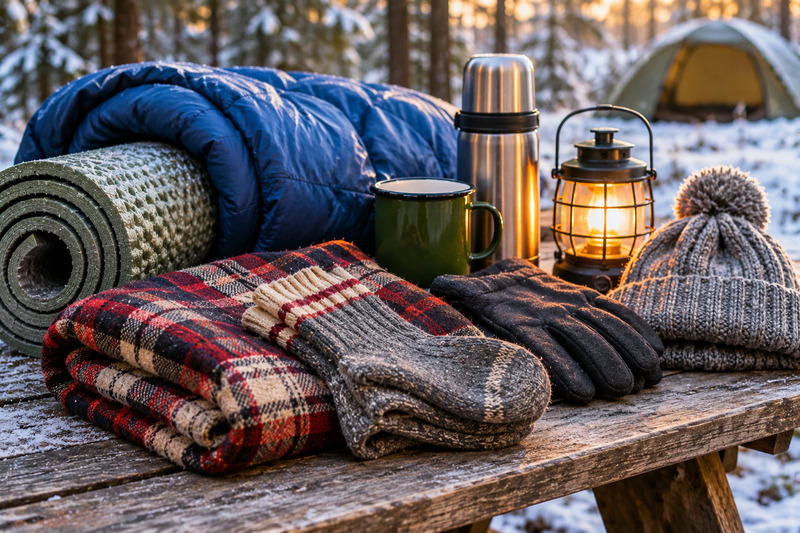
What you wear while sleeping can make a noticeable difference in how warm you feel.
Start with a clean, dry base layer made from merino wool or a suitable synthetic material.
Avoid sleeping in clothing that became damp from hiking, sweating, rain, or snow during the day.
Moisture can make you feel colder and reduce the effectiveness of your insulation.
A simple cold-weather sleeping outfit might include:
- A long-sleeved thermal base layer
- Thermal leggings
- Dry wool or synthetic socks
- A warm knit hat
- Additional lightweight insulation if needed
Avoid piling on so many layers that your sleeping bag becomes compressed or your circulation is restricted.
It’s also important not to overdress to the point that you sweat inside your sleeping bag.
Should You Sleep in Socks While Camping?
Yes, dry socks can help keep your feet comfortable while camping in cold weather.
Choose socks that fit comfortably without being tight.
If your socks become damp during the day, change into a fresh pair before getting into your sleeping bag.
Keeping a dedicated pair of sleeping socks in a waterproof bag is an easy way to make sure they’re dry when you need them.
4. Choose a Campsite Protected From the Wind
Your campsite location can affect how cold you feel throughout the night.
Wind increases heat loss and can make an already chilly evening feel much colder.
Whenever possible, choose a legal campsite with some natural protection from prevailing winds.
Trees, terrain, and other natural features may provide shelter, but avoid camping beneath dead branches or unstable trees.
Also avoid low-lying areas where cold air tends to collect.
These areas can become noticeably colder overnight than nearby higher ground.
Before setting up your tent, check the weather forecast and consider whether your location is appropriate for the expected conditions.
If severe weather, dangerous wind chills, or temperatures beyond your equipment’s capabilities are forecast, postpone the trip.
5. Keep Your Tent Dry and Properly Ventilated
It might seem logical to close every tent vent when the temperature drops.
However, sealing your tent completely can cause condensation to build up inside.
Moisture from breathing and damp equipment can collect on tent walls and sleeping gear.
That moisture may eventually make your insulation less effective.
Keep your tent’s ventilation openings adjusted according to the manufacturer’s instructions, even when the weather is cold.
Other ways to reduce moisture include:
- Keep wet boots and outerwear away from your sleeping bag
- Avoid bringing snow into the tent
- Use the rainfly correctly
- Keep sleeping bags from pressing against damp tent walls
- Dry equipment whenever conditions allow
Remember that a typical camping tent does not provide much insulation on its own.
Its main job is to protect you from wind and precipitation. Your sleeping bag, sleeping pad, and clothing provide most of your warmth.
6. Eat Enough Food Before Bedtime
Your body needs energy to maintain its temperature.
Cold-weather camping can increase your energy needs, particularly when you’re hiking, carrying equipment, or spending long periods outdoors.
Eating a satisfying evening meal can help support your body’s normal heat production.
Choose foods that provide a combination of carbohydrates, protein, and fat.
Some practical cold-weather camping meals include:
- Hot oatmeal with nuts
- Hearty soup with bread
- Rice and beans
- Pasta with a protein source
- Trail mix and other calorie-dense snacks
A small snack before bed may also be helpful if you’re hungry.
Keep food stored according to campground rules and local wildlife precautions rather than bringing it into your sleeping area.
Not sure what to pack for meals? Check out these easy winter camping food ideas for satisfying foods that are simple to bring along on a cold-weather camping trip.
Don’t Forget to Stay Hydrated
It’s easy to drink less water when the weather is cold because you may not feel as thirsty.
However, dehydration can still occur during winter activities.
Drink regularly throughout the day and make sure you have a reliable supply of safe drinking water.
Warm beverages can be especially comforting, but avoid alcohol as a way to warm up. Alcohol can increase heat loss and interfere with your ability to recognize dangerous cold exposure.
7. Warm Up Before Getting Into Your Sleeping Bag
A sleeping bag doesn’t generate heat. Instead, it helps trap the warmth your body produces.
If you’re already extremely cold when you crawl into your sleeping bag, it may take longer to feel comfortable.
Try doing a little gentle movement before bedtime.
Walking around your campsite or doing a few easy movements can help you feel warmer.
The goal is to warm up without breaking a sweat.
If you’ve become sweaty during the evening, change into dry clothes before going to sleep.
You can also prepare a warm drink and spend a few minutes getting comfortable before settling in for the night.
8. Use a Hot Water Bottle Safely
A hot water bottle can provide temporary warmth when you’re camping without electricity.
However, this method requires care because hot water can cause serious burns or leak into your sleeping bag.
Only use a bottle specifically designed and rated for hot water. Follow its temperature and filling instructions, check for leaks, and use an insulating cover.
Never use boiling water in an ordinary plastic drinking bottle.
A properly covered hot water bottle can be placed near your feet or another area where you need additional warmth, provided it isn’t pressed directly against bare skin.
Don’t rely on a hot water bottle to compensate for inadequate sleeping gear or dangerously low temperatures.
Affiliate opportunity: Include a camping-friendly hot water bottle with an insulating cover.
9. Keep Your Head, Hands, and Feet Warm
Cold hands and feet can make it difficult to fall asleep, even when the rest of your body feels comfortable.
Pay particular attention to your extremities when preparing for bed.
A warm hat can help reduce heat loss from your head, especially if your sleeping bag doesn’t have an insulated hood.
Dry socks protect your feet, while lightweight gloves may help if your hands tend to get cold.
If your sleeping bag has a hood, adjust it according to the manufacturer’s instructions without covering your nose or mouth.
Avoid breathing into your sleeping bag because the moisture from your breath can dampen the insulation.
10. Use a Sleeping Bag Liner for Additional Comfort
A sleeping bag liner can be a useful accessory for cold-weather camping.
Liners help keep your sleeping bag cleaner and may provide a modest amount of additional warmth, depending on the material and design.
Fleece and other insulating liners are popular choices for colder conditions.
However, don’t assume a liner will add the exact number of degrees advertised under every condition.
Actual performance depends on your sleeping bag, sleeping pad, clothing, and surrounding temperatures.
Think of a liner as a helpful extra layer rather than a replacement for a properly rated sleeping bag.
11. Prepare for Colder Temperatures Than Expected
Weather forecasts can change quickly, especially in mountainous areas.
A campsite that feels comfortable in the afternoon may become significantly colder after sunset.
Before leaving home, check the forecast for the specific area where you’ll be camping.
Consider:
- Expected overnight low temperatures
- Wind speed and wind chill
- Rain or snowfall
- Elevation
- Road and trail conditions
- Available emergency shelter
Bring extra dry clothing and an emergency insulation layer in case conditions become worse than expected.
It’s also smart to have a backup plan for leaving the campsite or reaching a safe heated shelter.
If you’re new to cold-weather camping, begin with a short trip close to home rather than heading into remote winter conditions.
12. Avoid Unsafe Tent Heating Methods
When temperatures fall, it can be tempting to find a quick way to heat your tent.
Unfortunately, some popular camping heating ideas are dangerous.
Never use a camp stove, charcoal grill, lantern, propane heater, or other fuel-burning device inside a regular camping tent to stay warm.
These devices can create carbon monoxide, a poisonous gas that cannot be seen or smelled. They also introduce serious fire and burn hazards.
Do not use candles or improvised heaters inside your tent.
Even tents marketed for specialized stove systems require compatible equipment, correct installation, and appropriate training. They are not a substitute for a safe sleeping system.
For most recreational campers, the safest approach is to use proper insulation, dry clothing, and equipment designed for the expected temperatures.
13. Recognize the Warning Signs of Hypothermia
Staying warm isn’t just about comfort. Cold exposure can become a medical emergency.
Hypothermia occurs when the body loses heat faster than it can produce it.
Warning signs may include:
- Uncontrollable shivering
- Confusion or unusual behavior
- Slurred speech
- Poor coordination
- Extreme fatigue or drowsiness
- Shivering that stops despite continued cold exposure
If you suspect hypothermia, seek emergency medical help. Move the person to shelter, remove wet clothing when safe, and insulate them with dry blankets or sleeping gear.
For someone who is alert and able to swallow normally, warm nonalcoholic drinks may help while awaiting assistance. Do not force drinks on someone who is confused or drowsy.
Handle the person gently and follow emergency medical guidance. Severe hypothermia requires urgent professional treatment.
Don’t wait until symptoms become serious to end a camping trip.
Essential Gear for Camping Without Electricity
You don’t necessarily need the most expensive camping equipment to stay comfortable, but certain items are worth prioritizing.
Here is a simple cold-weather camping checklist:
- Cold-weather sleeping bag with an appropriate comfort rating
- Insulated sleeping pad
- Closed-cell foam pad for additional insulation
- Waterproof tent suitable for expected conditions
- Dry thermal base layers
- Warm socks and hat
- Insulating jacket
- Waterproof outer layers
- Extra dry clothing
- Sleeping bag liner, if desired
- Headlamp and spare batteries
- Insulated water bottle or thermos
- Adequate food and drinking water
- Weather information and emergency communication plan
- First-aid kit and emergency shelter supplies
If you’re shopping on a budget, prioritize your sleeping bag and insulated sleeping pad before buying optional comfort accessories.
These two items play a major role in protecting you from cold temperatures overnight.
Recommended Gear for Staying Warm While Camping Without Electricity
Having the right camping equipment can make a big difference when temperatures drop. You don’t need to buy every camping gadget available, but a few well-chosen essentials can help you stay warmer and more comfortable on cold nights.
Here are some useful items to consider for your next cold-weather camping trip.
Insulated Sleeping Pads
An insulated sleeping pad is one of the most important pieces of winter camping gear. Look for a pad with an R-value appropriate for the temperatures you expect. For freezing conditions, an R-value of 5 or higher is often a good starting point.
Shop Insulated Camping Sleeping Pads on Amazon
Cold-Weather Sleeping Bags
Choose a sleeping bag with a comfort rating suitable for your expected overnight temperatures. Features like insulated hoods, draft collars, and mummy-style designs can help reduce heat loss.
Shop Cold-Weather Sleeping Bags on Amazon
Merino Wool Camping Socks
Keeping your feet dry is especially important when camping in cold weather. Merino wool socks provide insulation and help manage moisture, making them a useful addition to your camping clothing.
Shop Merino Wool Camping Socks on Amazon
Thermal Base Layers
A comfortable thermal base layer can help you retain body heat without adding too much bulk. Look for merino wool or moisture-wicking synthetic fabrics, and keep a dry set specifically for sleeping.
Shop Thermal Base Layers on Amazon
Sleeping Bag Liners
A sleeping bag liner can provide a little extra insulation and help keep your sleeping bag clean. Fleece liners are worth considering for colder camping trips, although they aren’t a replacement for a properly rated sleeping bag.
Shop Sleeping Bag Liners on Amazon
Insulated Camping Thermoses
An insulated thermos is a convenient way to keep a warm drink available during chilly mornings and evenings. Choose a durable, leak-resistant design that’s easy to carry in your camping gear.
Shop Insulated Camping Thermoses on Amazon
Frequently Asked Questions About Staying Warm While Camping
Can You Stay Warm in a Tent Without a Heater?
Yes. You can stay warm in a tent without a heater when you have a sleeping system appropriate for the temperature and conditions.
An insulated sleeping pad, properly rated sleeping bag, dry clothing, and wind protection are much more important than trying to heat the air inside your tent.
However, no equipment setup guarantees safety in every condition. Match your gear and experience to the forecast and have an emergency exit plan.
How Cold Is Too Cold for Tent Camping?
There isn’t one temperature that’s too cold for everyone.
The answer depends on your experience, equipment, health, weather conditions, and access to emergency shelter.
Beginners should avoid freezing or severe winter conditions until they’ve developed the necessary skills and tested their equipment in safer environments.
Does Putting a Blanket Under Your Sleeping Bag Help?
An insulating layer underneath your sleeping bag can help, but an ordinary blanket is not a reliable replacement for an insulated sleeping pad.
A properly rated sleeping pad is designed to resist heat loss to the ground.
If you want more warmth, adding a closed-cell foam pad beneath your existing sleeping pad is usually a more predictable option.
Is It Warmer to Sleep With Clothes On or Off in a Sleeping Bag?
For most cold-weather camping situations, sleeping in clean, dry, comfortable base layers is a good choice.
Dry clothing adds insulation and helps keep skin oils and moisture away from your sleeping bag.
Avoid tight or bulky layers that restrict circulation or compress your sleeping bag’s insulation.
Can You Camp in Winter Without Electricity?
Yes, but winter camping requires additional planning and equipment.
Snow, ice, wind, shorter daylight hours, and freezing temperatures can create challenges that don’t exist during summer camping.
Start with manageable conditions and gradually build your cold-weather camping experience.
Final Thoughts on Staying Warm Camping Without Electricity
Learning how to stay warm camping in cold weather without electricity makes it easier to enjoy outdoor adventures beyond the summer months.
The most important thing is to prepare before you leave home.
Choose a sleeping bag appropriate for the forecast, use an insulated sleeping pad, keep your clothing dry, and select a campsite that offers protection from the weather.
Remember that staying warm isn’t about finding one clever camping trick. It’s about combining good equipment, smart habits, and a realistic understanding of the conditions.
With the right preparation and a willingness to change plans when the weather becomes unsafe, you can enjoy the quiet beauty of cold-weather camping while staying comfortable and prepared.
If you’re planning a camping trip before winter arrives, explore these fun fall camping activities for adults for more ways to enjoy the outdoors when temperatures start dropping.
Leave a Reply