Winter camping made delicious and easy: 5 unexpected foods that are warm, satisfying, and simple to pack for your cold-weather adventures.
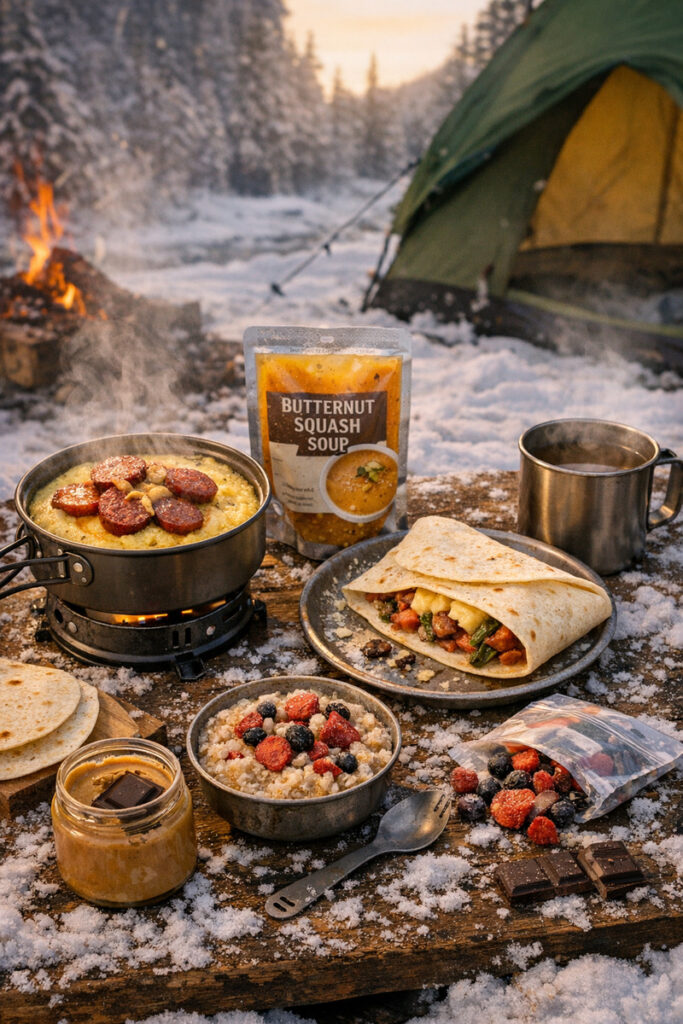
5 Unexpected Foods That Make Winter Camping Delicious (and Easy to Pack)
Winter camping has a special charm. The crisp air, quiet snow-covered landscapes, and the thrill of cozying up in a warm tent or cabin make it a magical experience. But while the scenery can be breathtaking, keeping your energy up and enjoying satisfying meals in cold weather can be a challenge. Heavy, complicated meals are not ideal when you are camping in winter. That’s why packing the right foods is crucial. You want meals that are easy to carry, simple to prepare, and, most importantly, comforting on a cold night. Here are five unexpected foods that might not be the first thing you think of for winter camping, but will make your trip both delicious and easy.
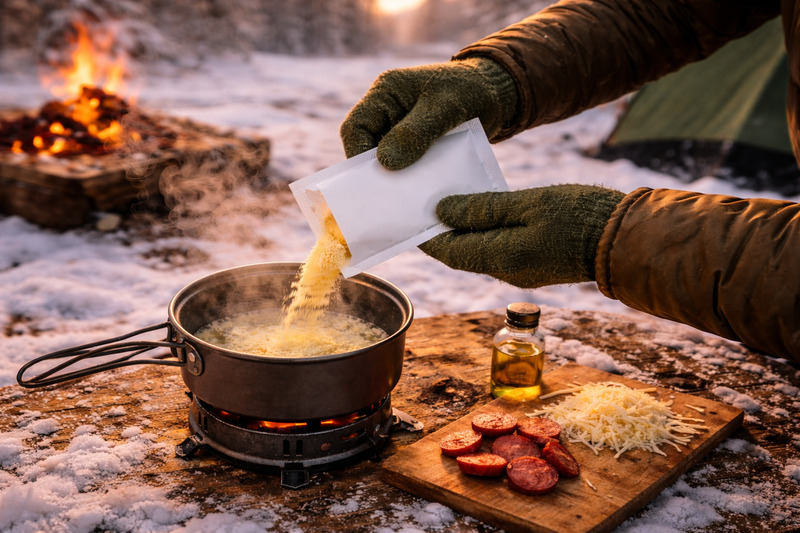
1. Instant Polenta Packs
Polenta might not be the first food that comes to mind when camping, but it is surprisingly convenient and comforting. Pre-packaged instant polenta cooks quickly with just water or milk, making it perfect for a winter campsite. Its creamy texture feels indulgent on a chilly evening, and you can top it with almost anything. Cheese, sautéed vegetables, canned beans, or even a bit of smoked sausage can turn polenta into a hearty meal. It’s lightweight and takes up very little space, which is ideal for backpacking. For those who want to get a bit fancy, adding a pinch of cinnamon or nutmeg can give a subtle warmth that feels like a winter treat. Polenta is versatile, easy to pack, and perfect for warming up after a long hike.
2. Vacuum-Sealed Soups
Soup is a natural choice for winter, but instead of bringing dehydrated or powdered mixes, try vacuum-sealed or shelf-stable soups. These ready-to-heat soups maintain flavor and texture far better than traditional instant soups. Options like creamy tomato, butternut squash, or hearty lentil provide both warmth and nutrition. They require minimal effort; just heat and enjoy. For added comfort, pair soup with crackers or a small flatbread, which are easy to pack and keep well in cold conditions. Vacuum-sealed soups also reduce the need for heavy pots or complicated cooking gear, making them a practical solution for winter campers who want a hot, satisfying meal with minimal fuss.
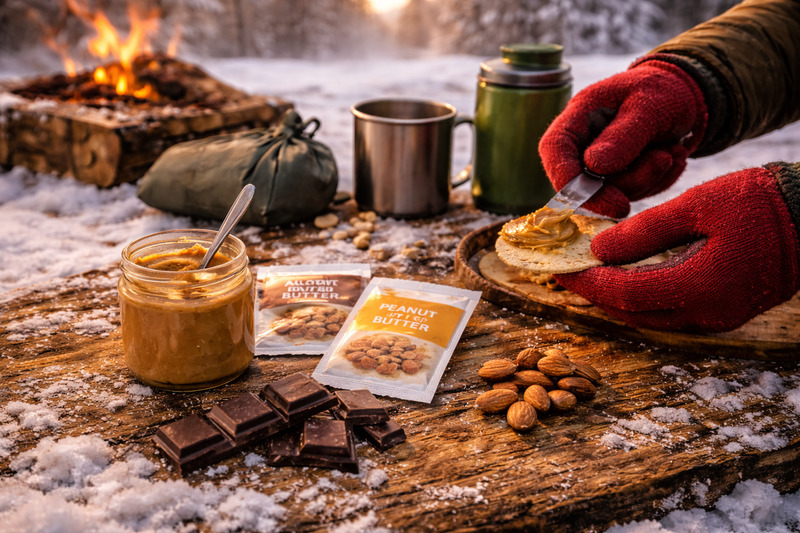
3. Nut Butters with Dark Chocolate
Snacks may seem secondary to meals, but winter camping snacks can make a big difference in both energy and morale. Nut butters, like almond or peanut butter, are packed with protein and healthy fats that help sustain energy in cold weather. Pair them with small pieces of dark chocolate for a rich, satisfying treat that can be eaten on the trail or back at camp. The combination of creamy, sweet, and slightly bitter flavors is surprisingly comforting in cold weather. Single-serving packets or small jars make these snacks easy to pack, and they don’t require refrigeration, which is perfect for winter conditions. Nut butter and chocolate snacks are also versatile—they can be spread on crackers, stirred into oatmeal, or eaten straight from the packet when you need a quick pick-me-up.
4. Frozen Tortillas or Flatbreads
Bread can be tricky to pack for winter camping because it can get squished or stale. A great alternative is frozen tortillas or flatbreads. They are lightweight, durable, and can be used in multiple ways. Wrap your favorite proteins, cheese, or vegetables inside and heat them over a campfire or portable stove for a warm, satisfying meal. Leftover tortillas can be reused for breakfast, lunch, or a simple snack. They also double as a base for quick pizzas or quesadillas if you want something more indulgent. The frozen aspect is not a problem in winter weather, as cold temperatures keep them preserved. Flatbreads are easy to portion, carry, and use in creative ways, making them an unexpected but practical staple for winter camping.

5. Oatmeal with Freeze-Dried Fruit
Oatmeal is a classic breakfast, but adding freeze-dried fruit takes it to the next level for winter camping. It’s lightweight, easy to pack, and cooks quickly over a small stove or even with hot water in a thermos. Freeze-dried berries, apples, or peaches add natural sweetness and a satisfying texture without the bulk or weight of fresh fruit. You can also mix in a spoonful of nut butter, a sprinkle of cinnamon, or a drizzle of maple syrup for extra warmth and flavor. Oatmeal is not only comforting in cold weather but also filling and energizing, making it a great way to start a day of winter hiking or skiing. It’s an unexpectedly versatile food that works as breakfast, a snack, or even a dessert when paired with a little chocolate or honey.
Tips for Packing Winter Camping Foods
When packing these foods for winter camping, consider the following tips to make your trip easier and more enjoyable. First, choose foods that are lightweight and won’t spoil in cold conditions. Freeze-dried, vacuum-sealed, or packaged options are ideal. Second, pack items in airtight containers or resealable bags to prevent moisture or snow from affecting them. Third, think about versatility. Foods that can serve multiple purposes, like flatbreads or polenta, reduce the number of items you need to carry. Finally, plan for simplicity. Winter camping cooking should be straightforward—meals that require minimal prep, one pot, or just hot water will save time and effort in cold conditions.
RELATED: Delicious Fire-Side Meals
Conclusion
Winter camping doesn’t have to mean settling for boring, cold meals. With a few unexpected foods like instant polenta, vacuum-sealed soups, nut butter with dark chocolate, frozen tortillas, and oatmeal with freeze-dried fruit, you can enjoy warm, satisfying meals without the hassle of heavy cooking. These foods are easy to pack, versatile, and comforting, helping you stay energized and cozy on your winter adventures. The key is to plan ahead and embrace ingredients that are both practical and delicious. By thinking creatively about what you bring, winter camping can be just as enjoyable and flavorful as any summer trip, proving that even in the cold, good food can make all the difference.
Leave a Reply