Discover practical budget camping tips to help you save money on gear, food, campsites, and travel while still enjoying an unforgettable outdoor adventure.
Budget Camping Tips
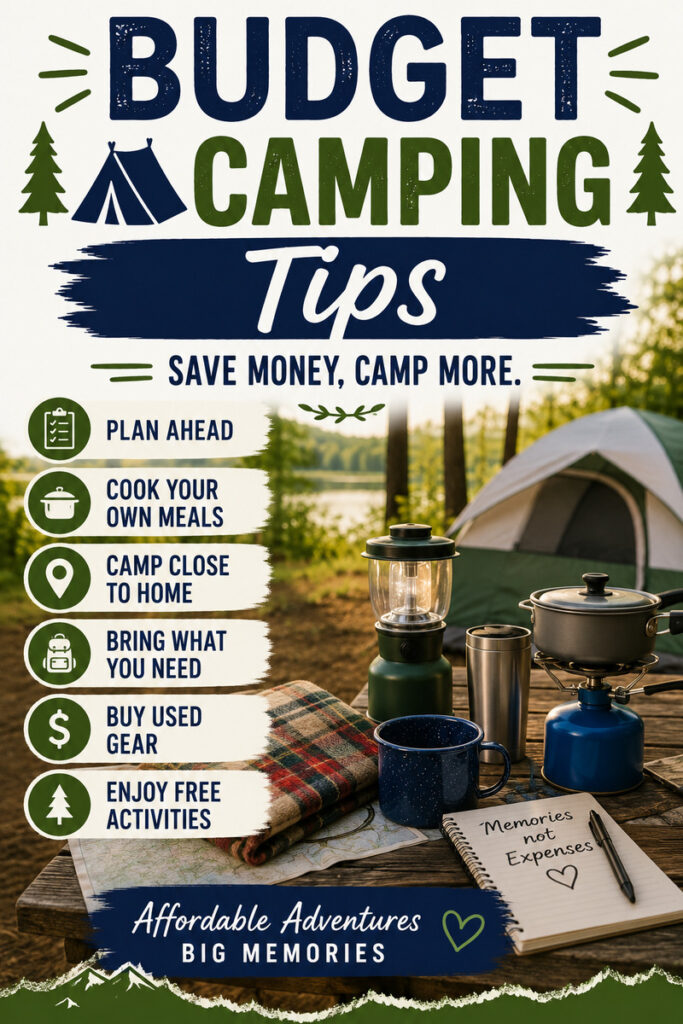
Camping is one of the most affordable ways to enjoy a vacation, but the costs can still add up if you’re not careful. Between camping gear, campsite fees, food, fuel, and outdoor equipment, even a weekend getaway can become more expensive than expected.
The good news is that you don’t have to spend a fortune to enjoy the outdoors. With a little planning and a few smart strategies, you can have an amazing camping trip while sticking to your budget.
Whether you’re new to camping or a seasoned camper looking to save money, these budget camping tips will help you spend less and enjoy more time in nature.
Borrow or Rent Gear Before Buying
If you’re just getting started, there’s no need to buy every piece of camping equipment immediately.
Ask family or friends if they have gear you can borrow. Many outdoor stores also rent camping equipment, including tents, sleeping bags, camp stoves, and backpacks.
This gives you the opportunity to learn what you actually need before making expensive purchases.
Buy Used Camping Equipment
Camping gear is built to last, making secondhand equipment an excellent value.
Look for gently used gear at:
- Thrift stores
- Yard sales
- Facebook Marketplace
- Sporting goods consignment shops
- Online classifieds
You can often find quality tents, coolers, lanterns, and camp chairs for a fraction of their original cost.
Camp Close to Home
One of the biggest camping expenses is fuel.
Instead of driving several hours, look for campgrounds within an hour or two of your home. You’ll spend less on gas and have more time to relax instead of sitting in traffic.
Many local parks offer beautiful campsites that are often overlooked.
Choose State Parks Instead of Resorts
Private campgrounds with pools, water parks, and luxury amenities often charge much higher nightly rates.
State parks and county parks usually offer:
- Clean campsites
- Restrooms
- Picnic tables
- Fire rings
- Hiking trails
- Scenic views
You’ll often pay much less while still enjoying an excellent camping experience.

Cook Your Own Meals
Eating at restaurants while camping can quickly become one of the largest expenses.
Instead, prepare simple camping meals at home before your trip.
Some affordable camping meals include:
- Chili
- Pasta salad
- Breakfast burritos
- Foil packet dinners
- Sandwiches
- Oatmeal
Preparing meals ahead of time also saves cooking time at the campsite.

Pack Snacks from Home
Convenience stores near campgrounds often charge premium prices.
Bring your own snacks, such as:
- Trail mix
- Granola bars
- Popcorn
- Crackers
- Fresh fruit
- Beef jerky
- Muffins
Buying these items in bulk before your trip can save quite a bit of money.
Bring Reusable Water Bottles
Instead of purchasing bottled water throughout your trip, bring reusable water bottles and refill them whenever possible.
Many campgrounds have potable water stations that make this easy.
You’ll save money while reducing plastic waste.
Camp During the Off-Season
Camping rates are often lower during spring and fall than during the peak summer season.
You’ll also enjoy:
- Smaller crowds
- Quieter campgrounds
- Easier reservations
- Cooler weather
- Better wildlife viewing
If your schedule is flexible, camping during the shoulder seasons can stretch your budget much further.
Look for Free Camping
Many public lands offer free dispersed camping.
Depending on your location, you may find free camping in:
- National forests
- Bureau of Land Management lands
- Wildlife management areas
- Some county parks
Always check local regulations before setting up camp and follow Leave No Trace principles.
Share Campsites with Friends
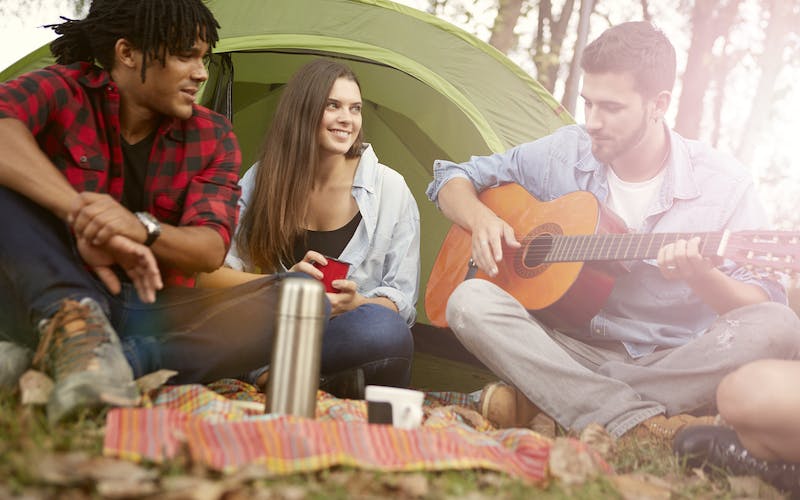
Many campsites allow multiple people or several tents on one site.
Camping with friends lets you split expenses like:
- Campsite fees
- Firewood
- Ice
- Fuel
- Shared meals
It’s also a fun way to make camping more social.
Pack Firewood When Allowed
Buying firewood at campgrounds can be expensive.
If local regulations permit, bring approved firewood from nearby sources. Be sure to follow any restrictions designed to prevent the spread of invasive insects.
If outside firewood isn’t allowed, purchase it locally near your destination rather than at campground convenience stores whenever possible.
Use What You Already Have
Not everything has to come from the camping section of an outdoor store.
Household items often work just as well.
For example:
- Plastic storage bins
- Kitchen utensils
- Blankets
- Pillows
- Flashlights
- Reusable food containers
Repurposing items you already own saves money and reduces unnecessary purchases.
Buy Multi-Purpose Gear
Choosing equipment that serves multiple functions helps reduce both costs and packing space.
Examples include:
- A cooler that doubles as seating
- Storage ottomans
- Rechargeable lanterns with phone chargers
- Cookware that nests together
- Multi-tools
Buying fewer, higher-quality items often saves money over time.
Take Advantage of Loyalty Programs
Many outdoor retailers and campground systems offer rewards programs that can lead to discounts or free nights.
It’s also worth watching for seasonal sales on camping gear, especially during the fall when retailers clear inventory.
Plan Your Meals Carefully
Food waste is wasted money.
Create a simple meal plan before leaving home and buy only what you’ll actually use.
Preparing ingredients in advance also helps avoid buying forgotten items at expensive campground stores.
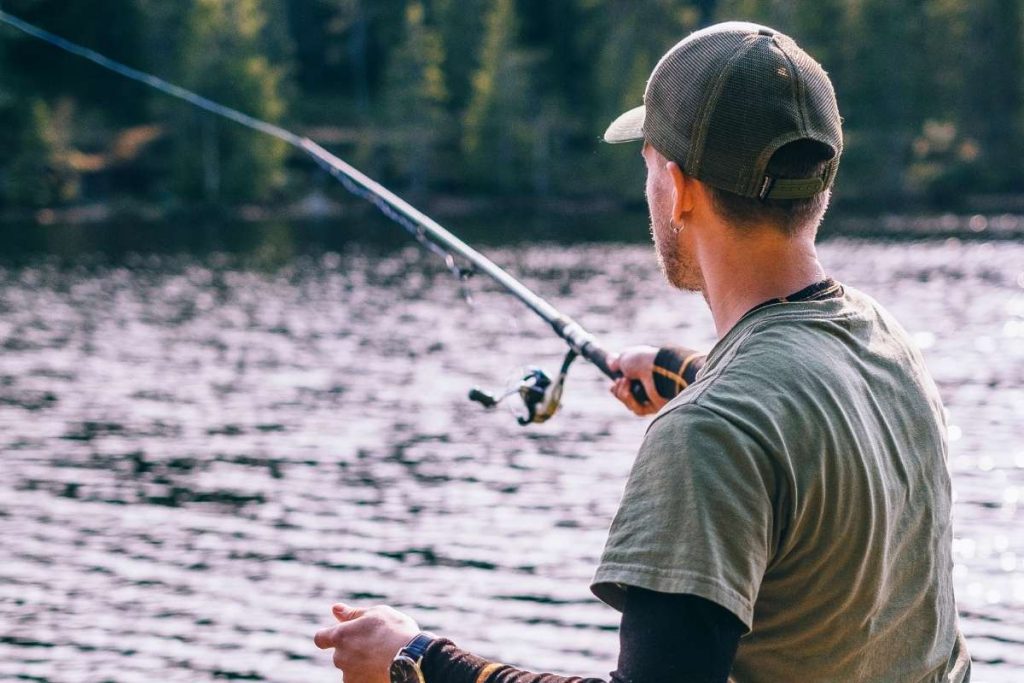
Budget-Friendly Camping Activities
The best part about camping is that many activities are completely free.
Enjoy:
- Hiking
- Bird watching
- Fishing (with the proper license)
- Swimming
- Stargazing
- Nature photography
- Campfire storytelling
- Wildlife watching
- Geocaching
You don’t need expensive entertainment to have a memorable camping trip.
Budget Camping Tips
- Shop for gear during end-of-season sales.
- Freeze water bottles to use as ice packs.
- Pack reusable dishes instead of disposable products.
- Bring coffee from home instead of buying it on the road.
- Keep a camping checklist to avoid purchasing forgotten items.
- Store your camping gear together so it’s always ready for your next trip.
- Invest in quality gear for items you use often.
- Compare campground prices before booking.
- Travel with friends to split costs.
- Keep meals simple and easy to prepare.
Conclusion
Camping doesn’t have to be expensive to be enjoyable. In fact, many campers find that the simplest trips are often the most memorable. By borrowing gear, shopping secondhand, preparing meals at home, choosing affordable campgrounds, and planning ahead, you can enjoy countless outdoor adventures without straining your budget.
The goal isn’t to have the most expensive equipment—it’s to spend quality time outdoors, relax around the campfire, and create lasting memories with family and friends. With these budget camping tips, you’ll be able to camp more often, spend less money, and focus on what really matters: enjoying nature.
Leave a Reply